
How can I get treatment without pain and anxiety?
Not everyone has had positive experiences with their healthcare providers, but there are options that make receiving treatment more comfortable. Sedation options are an effective way to receive the dental care you need without the stress and anxiety that may come with visiting the dentist’s office. There’s no reason to feel pain or anxiety during dental treatment. And all it takes to get started with sedation dentistry is a simple conversation with your dentist. Contact us today to schedule an appointment at Summerbrook Dental.

Did you know…
Ready to schedule your appointment?
Call (817) 382-7445 to scheduleWhat can I expect at a sedation consultation?

Treatment Review

Health Evaluation
Needs & Concerns

Recommendations & Options
Explore your sedation options
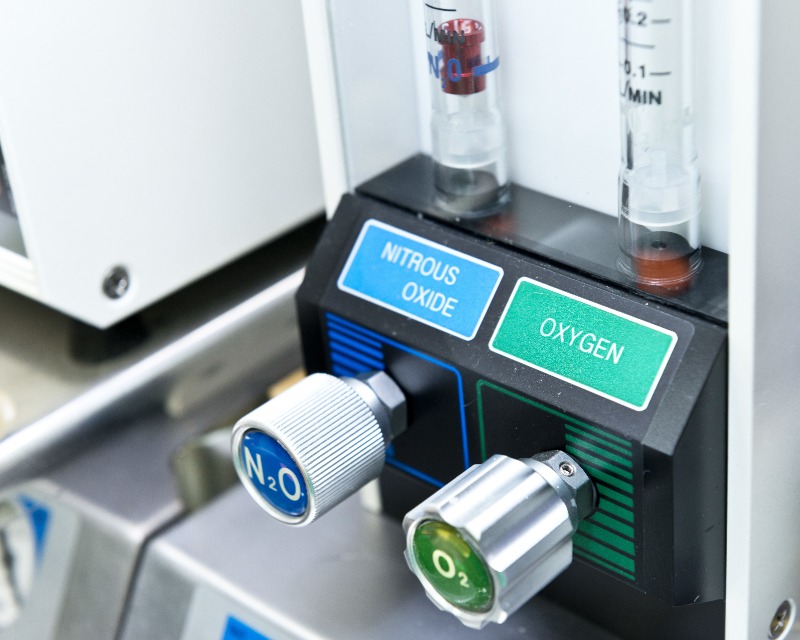
Nitrous Oxide (Laughing Gas)
Oral Conscious Sedation
Laughing Gas
Laughing Gas
This method of sedation is ideal if you are nervous about an upcoming dental procedure or appointment, but want to avoid being deeply sedated. Dr. Eastwood will pump a mixture of nitrous oxide (laughing gas) and oxygen through a nose mask, and you’ll breathe through this mask whenever you’re directed to do so.
As you breathe in the gas, you’ll feel less nervous, and may experience a “floaty” or “dreamy” feeling. Although you may feel a little disconnected from what’s happening around you, you won’t fall asleep, and you will remain aware of what’s going on during your procedure.
A few of the best benefits of this sedation method is that side effects are minimal, and the effects of the sedation wear off within a few minutes of the nose mask being removed. You can drive yourself home and get back to your day-to-day routine immediately after your treatment.Oral Conscious Sedation
Oral Conscious Sedation
Oral conscious sedation uses a strong, pill or liquid sedative that you’ll take about 30-60 minutes before your appointment. Once the sedative takes effect, you’ll begin to feel groggy and tired. In some cases, you may end up falling asleep during your appointment.
With oral conscious sedation, anterograde amnesia is very common. This means you may forget much of your procedure.
Side effects are more prolonged compared to nitrous oxide sedation. Grogginess will likely continue well-after your appointment, so you will not be able to drive or operate heavy machinery for a least 4-6 hours. You will need to arrange for someone to drive you to and from our office if you choose oral conscious sedation.

Did you know…
Laughing gas is safe, effective, and has been used in dentistry since the late 19th century.
Interested in sedation services?
Call (817) 382-7445 to scheduleHave questions about sedation options? Find answers here.
What is sedation used for in dentistry?
Primarily, sedation is used to treat dental anxiety. Dental anxiety is a very common issue, and can often prevent patients from getting the dental care they need. If you are anxious or nervous about coming to the dentist, sedation can help you feel more safe and comfortable.
Additionally, sedation helps with pain and discomfort during more invasive procedures, such as tooth extractions and dental implant placement. It also helps you feel more comfortable if you require multiple dental procedures and need to sit still for several hours during treatment.
Am I a good candidate for sedation dentistry?
Most healthy adults are good candidates for sedation dentistry. It’s especially helpful if you experience dental anxiety, have a strong gag reflex or a low pain threshold, or need a long appointment or several procedures completed in one visit. Before recommending sedation, we review your full medical history — certain health conditions and some medications need to be cleared with your physician first, so sedation isn’t right for everyone. For deeper sedation, general anesthesia is administered by a licensed MD anesthesiologist, which allows us to safely care for patients with more complex needs.
What does sedation dentistry feel like?
This depends on the method of sedation you choose. With laughing gas, you will feel light-headed, giggly, and relaxed, but you will be fully conscious and aware of your surroundings. You will also feel less discomfort during treatment.
Oral conscious sedation and IV sedation will usually make you feel groggy and “out of it”. You will likely fall asleep, and probably won’t remember much about your procedure. However, you will not be unconscious, and you can still be woken and respond to commands.
General anesthesia is the deepest level of sedation. You will be completely unconscious and will not feel anything or remember anything from your procedure.
Is sedation dentistry safe?
Yes. All methods of sedation dentistry are provided by qualified professionals at our office, and have minimal side effects. While deeper methods of sedation like oral conscious sedation and IV sedation have more prolonged side effects compared to laughing gas, they are still very safe, and they have no serious risks to your health or well-being if you are a good candidate for sedation.

Did you know…
Sedation can be used to control an overactive gag-reflex, fear of needles, or a low-pain threshold.
Ready for your next dental appointment?
Call (817) 382-7445 to scheduleMore Sedation Questions
Can a dentist put you to sleep?
Yes, at several levels. Oral sedation and nitrous oxide (laughing gas) keep you calm and often leave little memory of the procedure without putting you under. IV sedation goes deeper — conscious but very drowsy and unaware. For patients who need to be fully asleep, we offer general anesthesia administered by a licensed MD anesthesiologist. Not every dental office can offer all three.
How long does dental numbness last?
Usually 1–6 hours depending on the anesthetic. Lidocaine and articaine, the most common, typically last 2–3 hours. A long-acting agent like bupivacaine, often used for surgery, can leave you numb for 6–12 hours. Numbness persisting past 18–24 hours is not normal — call us.
Can dentists prescribe antibiotics?
Yes, for genuine dental conditions — tooth infections, gum abscesses, post-extraction complications, and implant-related infections. Common choices include amoxicillin, clindamycin, azithromycin, and Keflex, selected by the type and severity of infection and your medical history. A dentist cannot prescribe for a patient they have not examined: different problems produce similar symptoms, so an exam and often an X-ray are needed first.